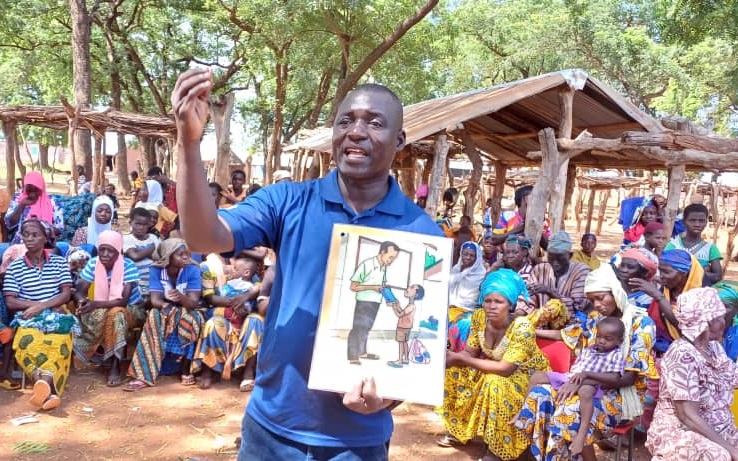
Adult Education & Literacy
The primary purpose of this programme is to help adults and
young people access information that enables them to cope
effectively with daily challenges and thrive in today’s
competitive environment. Adult education activities are
delivered through study groups and mass meetings, complemented
by lectures and interactive discussions.
Target Groups
This programme is designed for individuals aged 15 years and
above in both rural and peri-urban communities. Specifically,
it targets the following groups:
-
Adults with Little or No Formal Education:
Primarily in rural areas, this group requires basic literacy
and numeracy skills to function effectively in daily life.
-
Vulnerable and Marginalized Individuals:
Including women and out-of-school youth, who need access to
learning opportunities and empowerment.
-
Rural and Urban Poor: Aiming to equip them
with skills to navigate modern life and improve their living
standards.
-
Persons with Specific Needs: Including
people living with disabilities who require tailored
learning support.
Activities & Coverage
The programme is delivered through study groups and mass
meetings, periodically complemented by lectures and
discussions. Specific activities include:
- Campaigns
- Mass meetings
- One-day schools
- Mobile cinema/video shows
- Group discussions
- Rallies
- Drama performances
- Puppet shows
- Role plays
-
Development of community facilitation toolkits, including
games, flash cards, and other interactive materials
At the district level, the Department forms groups of people
with similar interests and connects them with development
partners who provide solutions to pertinent challenges. The
Mass Education Programme promotes community engagement through
public education, sensitization, and awareness creation using
Communication for Development (C4D) techniques.
The focus is to communicate the Assemblies’ interventions,
programs, policies, and bylaws to citizens while encouraging
social and behavioral change through localized initiatives and
innovation.
Implementation Approach
- Facilitators are trained to assist learners.
- Study group meetings are organized regularly.
-
Mass meetings are conducted for larger community engagement.
-
Focus group discussions are held to address specific issues.
-
Community durbars and other local gatherings are used to
reach participants.
Outcomes and Indicators
In 2024, a total of 33,149 participants were
trained, comprising 13,021 males and
20,128 females.
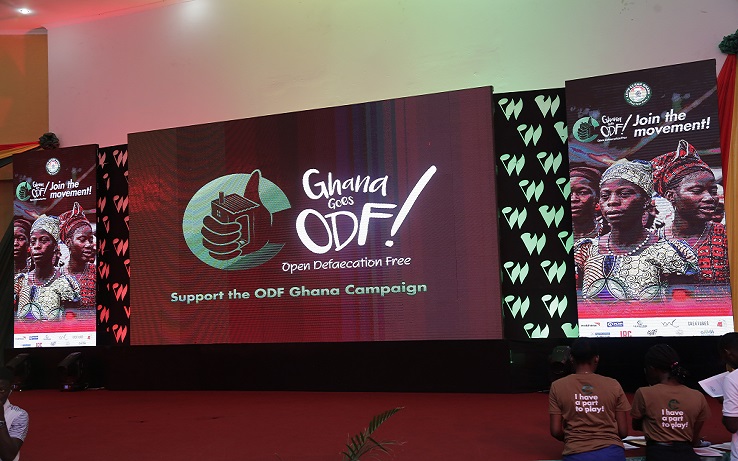
Extension Services
The Extension Services Programme of the Department prioritizes
fostering collaboration with external agencies to achieve
shared objectives and expand the reach and impact of its
initiatives. The programme seeks to extend the Department’s
core activities and technical expertise to other Ministries,
Departments, and Agencies (MDAs), Non-Governmental
Organizations (NGOs), and international specialized agencies.
Through these partnerships, the Department supports capacity
building, resource sharing, and the provision of technical
assistance aimed at improving service delivery and enhancing
programme effectiveness.
Target Institutions
Key beneficiaries of these collaborative efforts include the
following institutions:
- Ministry of Agriculture
- Ghana Health Service
- UNICEF
- World Vision International
- National Commission on Civic Education
- Civil Society Organizations (CSOs)
- Community-Based Organizations (CBOs)
- Faith-Based Organizations (FBOs)
These institutions have benefited significantly from the
Department’s support, contributing to improved outcomes across
sectors such as public health, education, agriculture, and
community development. This collaborative approach ensures
that the Department’s resources and expertise reach a wider
audience, promoting sustainable development and social
progress.
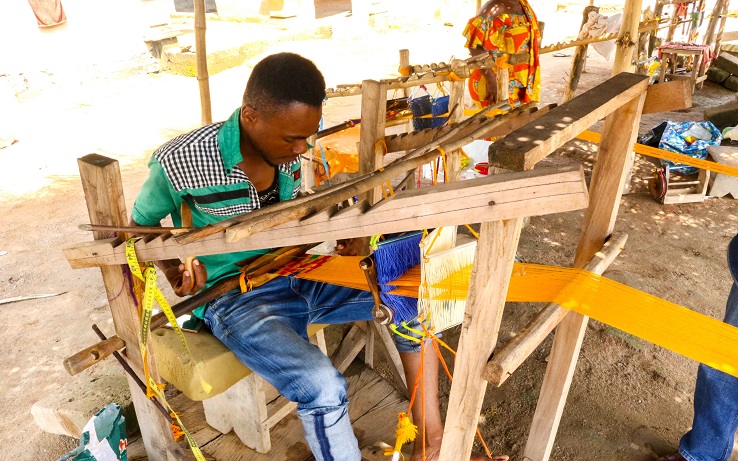
Youth Skill Transfer
The Youth Skills Training Programme is a community-focused
initiative designed to empower vulnerable young people in
rural and low-income urban communities by equipping them with
practical skills that enhance employment opportunities and
support local enterprise development.
Target Groups
The programme is designed for vulnerable young men and women,
including persons with disabilities, the unemployed, and
individuals seeking to acquire new income-generating skills.
It also targets single mothers who lack employable skills. The
programme therefore seeks to address the challenges of
unemployment and poverty by offering both formal and informal
training opportunities tailored to the needs of young people.
Activities & Coverage
Training activities cover a range of informal vocational and
technical trades, including carpentry, masonry, tailoring,
hairdressing, food processing, digital literacy, auto
mechanics, plumbing, electrical works, community-based
tourism, and small enterprise development. District officers
of the Department provide ongoing coaching and mentorship to
participants.
In terms of coverage, the programme is being implemented
across all 16 regions, with priority given to communities
experiencing high youth unemployment and limited access to
training opportunities.
Expected Outcomes & Indicators
In 2024, a total of 8,271 participants were
trained, comprising 2,345 males and
5,926 females.
How to Apply
Interested youth can contact their District Community
Development Office or complete the online application form.
Applicants are required to provide a valid national ID and a
recommendation letter from a community leader.
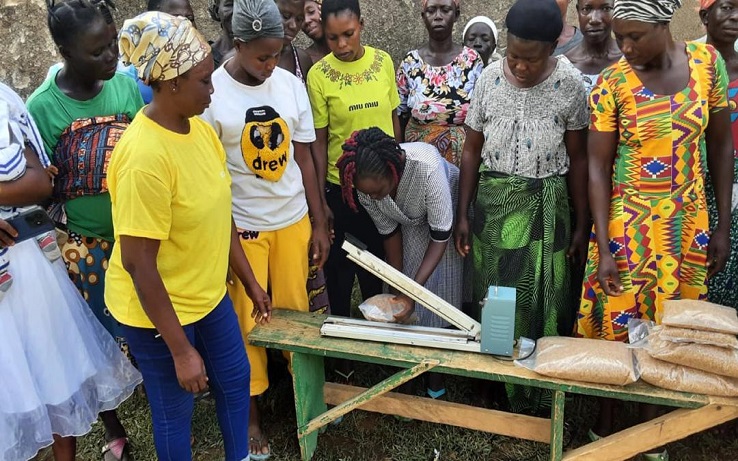
Women and Youth Empowerment Programme
This programme aims to promote the effective use of human and
material resources to improve the quality of life of
vulnerable groups, particularly women and other disadvantaged
persons within communities. It seeks to enhance the
socio-economic well-being of beneficiaries in rural and urban
poor areas through targeted interventions.
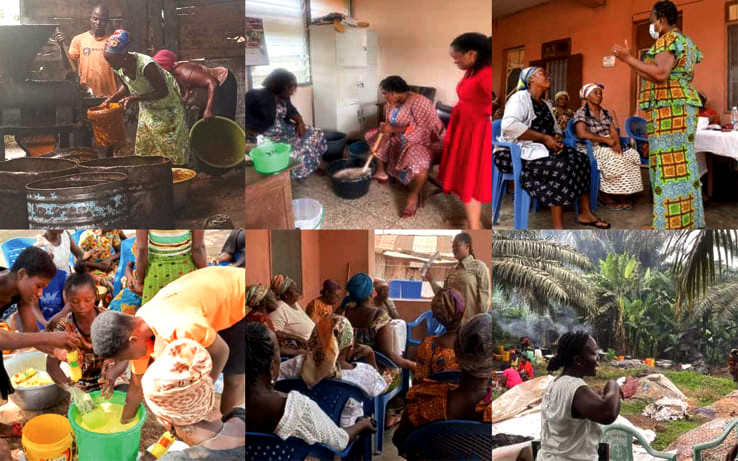
Key activities include training in income-generating
activities, the promotion of Village Savings and Loans
Associations (VSLAs), and regular home visits.
Target Groups
The primary beneficiaries of this programme are women, youth,
and vulnerable households in rural communities.
Activities and Outcomes
Training in Income-Generating Activities
During the period under review, the Department provided
training for women and youth in various income-generating
activities. These included soap and shower gel production,
groundnut paste processing, bead making, fascinator and
headband production, dry-season gardening, detergent
production, snail rearing, and home and small business
management skills.
In total, 8,271 participants were trained,
comprising 2,345 males and
5,926 females. A detailed breakdown of
participants is presented in a table at the end of this
report.
Additional field-based activities included shea butter
processing, groundnut paste processing, vegetable farming,
rice farming and parboiling, animal husbandry, and the
implementation of Village Savings and Loans Associations
(VSLAs).
The VSLA scheme serves as a critical tool for economic
empowerment and social development in deprived communities. It
promotes a culture of savings while improving access to basic
financial services, particularly for women.
In 2024, the Department monitored
917 VSLA groups and formed
30 new groups, with a total membership of
17,699 participants.
Home Visits
The objective of this programme is to empower women and
households to improve food processing, sanitation, and home
management practices.
During the 2024 period, a total of
1,011 households were visited. Key topics
covered included home management, sanitation, personal
hygiene, and income-generating activities.
Target Groups
The primary target groups are women, particularly single
mothers, in both rural and urban communities across the
country.
Coverage and Participation
In 2024, over 1,786 participants were engaged
nationwide through this programme.
Community Initiatives (self-help) Projects
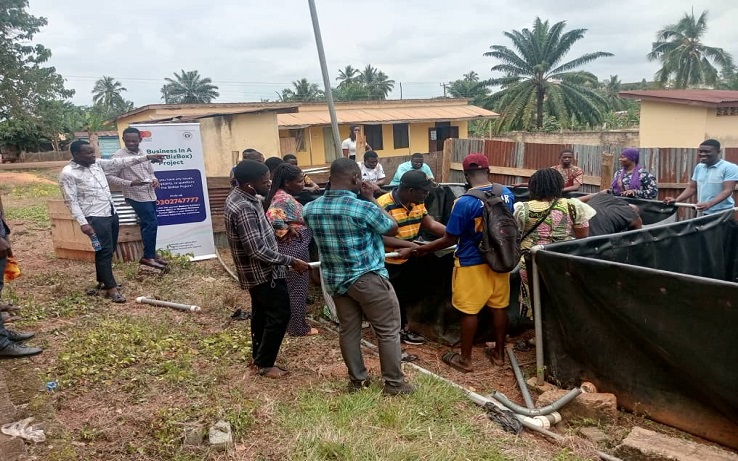
The CIPs are initiated by the community and are joint actions
that seek to enhance the well-being of a specific community.
Typically, these projects entail the participation of
community members, local groups, and occasionally government
bodies collaborating to tackle needs or difficulties. It is a
response to the community's needs, through which projects are
designed and built by the communities themselves with the help
of the Department’s technical team.
The objective is to improve the lives of people in the
communities in terms of sanitation, education, housing, and
portable drinking water; the projects are carried out by the
community’s own labor and voluntary participation under local
leadership, assisted by individual financial and material
contributions. Examples of these projects include school
buildings, recreation centers, drains, hand-dug wells, and
more.
Target Groups
The target groups are community members, opinion leaders,
local government leaders (Assembly and unit committee
members).
Coverage
This programme is being delivered in all district assemblies
in Ghana.
Activities & Approach
- Engagement of target groups
- Community mobilization and sensitization
- Community durbars